Ha Giang, the
northernmost province of Vietnam, has always attracted tourists with its
majestic landscapes and unique cultural identity, and is now witnessing a
tourism boom thanks to the impact of digital transformation -
Ha Giang Tours
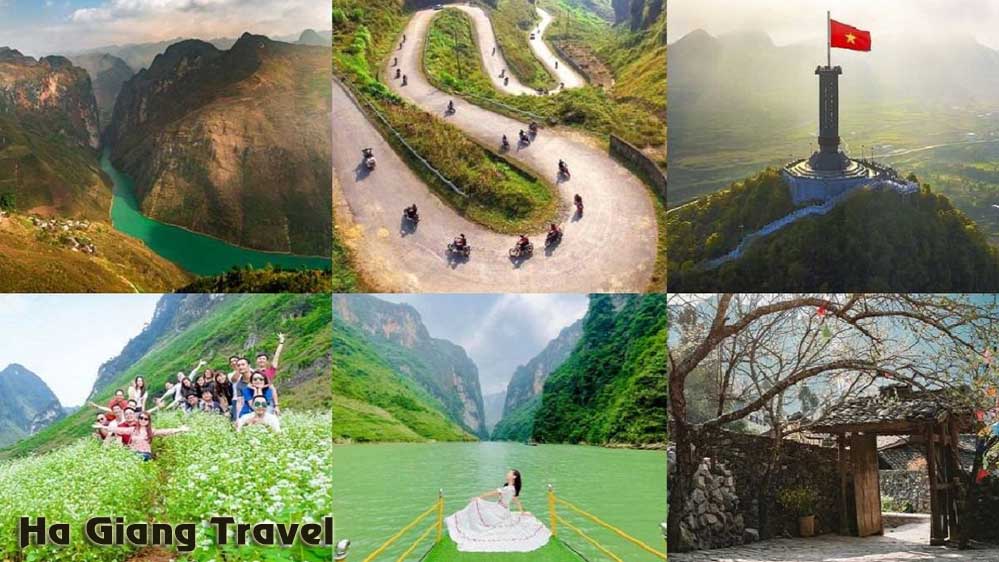
Images of the Dong Van Stone Plateau, Ma Pi Leng Pass, buckwheat flower season,
and highland markets are being widely disseminated digitally, from tourism
portals to social media and online booking platforms. Standardized information,
professionally produced images, and digital transformation are fundamentally
changing how a highland destination like Ha Giang connects with tourists.
Many homestay households in Dong Van, Meo Vac, and Yen Minh have learned to use
social media and booking platforms to proactively promote their services, manage
guest schedules, and interact directly with tourists. Reducing reliance on
intermediaries has helped increase the percentage of revenue retained by the
local people. Many households have reported more stable income from tourism,
especially during peak seasons.
Mr. Sinh Di Gai, the head of Lo Lo Chai village, is one of the pioneers of
community tourism in the village, starting his homestay business in 2011 when
the concept of community tourism was still quite unfamiliar. Today, he not only
operates accommodation but also owns a TikTok channel with approximately 5,600
followers.
In the digital space, he both introduces tourism services and tells the story of
Lo Lo culture, the rhythm of village life, and the highland landscapes that
embody the soul of Ha Giang. This approach not only benefits his family but also
contributes to promoting the overall image of Lo Lo Chai and Ha Giang tourism.
Handicrafts and local specialties such as mint honey, brocade fabrics, corn
wine, and highland agricultural products, which are popular with many tourists,
are also being sold by people in Ha Giang on e-commerce platforms, through
social media, and via live streams directly to consumers.
Tourism, therefore, not only generates income from direct services but also
drives the development of traditional crafts and local production. The economic
value chain is expanded, enabling many households to participate in the Ha Giang
"tourism ecosystem" in different ways, according to their conditions and
capabilities.
Furthermore, digital transformation is also helping Ha Giang improve the quality
of the tourist experience. Digital maps, QR codes, and automated audio guides at
attractions such as the Vuong family mansion, Lung Cu flagpole, and Ma Pi Leng
pass help tourists access information flexibly and in multiple languages,
aligning with the trend of independent and personalized tourism.
Instead of simply "seeing the scenery," tourists have the opportunity to gain a
deeper understanding of the history, culture, and stories behind each
destination. The experience is enriched in depth, thereby extending the length
of stay and increasing spending. This is a key factor in expanding the potential
for sustainable income generation for local people and businesses in Ha Giang
tourism.
Behind the development of digital tourism is the gradually improving
telecommunications infrastructure. Internet coverage, 4G, and the gradual
deployment of 5G in key tourist areas help people in mountainous regions access
technology, creating favorable conditions for the effective operation of digital
tourism business models. For tourists, stable telecommunications infrastructure
also contributes to enhancing the experience, from searching for information and
sharing itineraries to using digital services.
In many villages, smartphones have become a new "productivity tool," helping
people provide services, promote products, and connect with customers. This is a
structural change that contributes to shifting the rural economic structure
towards diversified livelihoods.
However, digital transformation also poses new demands. As the number of
visitors increases rapidly due to the ripple effect in the digital environment,
the pressure on infrastructure, the environment, and cultural identity grows.
The exploitation of cultural content on digital platforms needs to be guided to
avoid excessive commercialization.
In this context, digital transformation cannot be limited to technology alone,
but must be linked to smart tourism management. Data on visitor numbers, travel
patterns, and spending levels, if effectively utilized, will help local
authorities regulate development, allocate tourists seasonally and along routes,
ensuring a harmonious balance between economic benefits and conservation.
The Party Committee of Ha Giang province stated that in the new phase, it will
promote the application of digital technology in tourism promotion and
advertising; digitize information on recognized tourist areas and destinations,
creating a digital database of tourist destinations, providing accurate,
multilingual, and highly interactive information; install QR code systems at
tourist sites to help tourists easily access information about destinations; and
pilot the construction of smart information lookup and tour guide kiosks using
robots and artificial intelligence (AI) to assist tourists in searching for
information and enhancing their experience.
Digital transformation is opening up a path for sustainable and inclusive
development for tourism in Ha Giang. There, economic benefits are closely linked
to preserving cultural identity, and tourism not only brings in a stable flow of
visitors but also creates long-term livelihoods, improves income, and enhances
the quality of life for people in this northernmost region of Vietnam.
Source:
https://hagiangtraveltour.com/news/digital-technology-unlocks-ha-giang-tourism-potential.asp
